
Client Overview
The Churchill Center, led by Dana Churchill, is a multi-location healthcare provider with clinics in Arcadia and Fullerton. Like many healthcare practices, they rely heavily on phone calls to convert interest into booked appointments.
Their goal was simple. Get more calls. Get more patient enquiries. Do it for both locations.
The Problem
Despite offering quality care, the clinics were not seeing growth in inbound calls. Call volumes had flatlined. Fewer calls meant fewer appointments and lost revenue opportunities.
Potential patients were searching locally. Yet they were not choosing The Churchill Center.
The key challenges were clear:
-
Low visibility in local search results
-
Underperforming Google Business Profiles
-
Missed mobile users who wanted to call instantly
-
No strong local targeting for each clinic
In short, demand existed. The clinics were just not capturing it.
Our Strategy
We implemented a focused local SEO and Google Business Profile strategy designed to remove friction for patients and make calling effortless.
1. Google Business Profile Optimisation
We fully optimised the Arcadia and Fullerton profiles with:
-
Accurate contact details and opening hours
-
Clear service descriptions written for real patients
-
Location-focused keywords to improve local relevance
-
Regular posts to signal activity and trust
This helped the clinics appear more often in high-intent local searches.
2. Local SEO for Each Location
We optimised the website and listings separately for Arcadia and Fullerton. Each location targeted its own search terms.
This ensured patients searching nearby saw the most relevant clinic.
3. Mobile-First Improvements
Most patients search on their phones. We made it easy for them to act.
Click-to-call features were improved so users could call directly from search results with no extra steps.
4. Targeted Social Media Campaigns
We built audience personas and launched location-based campaigns. Messaging changed based on timing, events, and local needs.
This increased awareness and supported call growth from search.
The Results
The impact was fast and measurable.
-
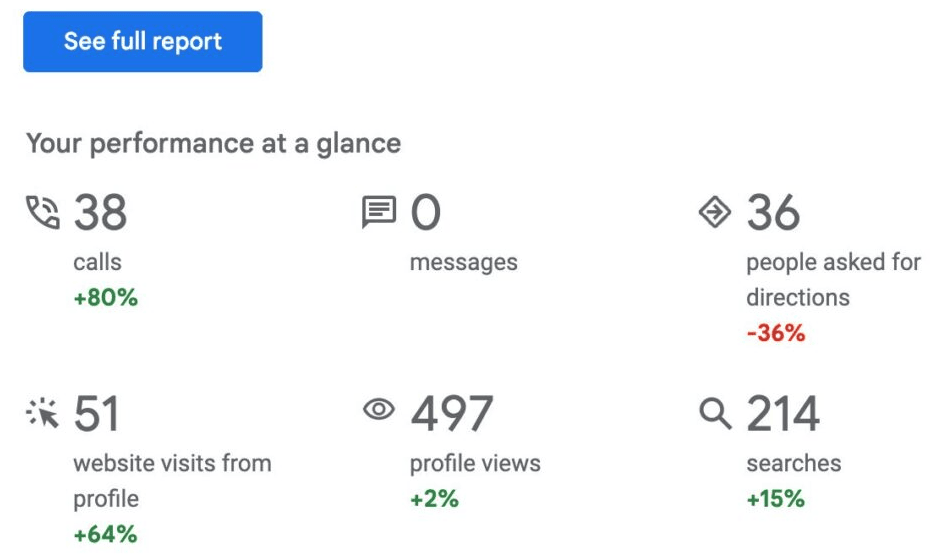
Fullerton clinic
38 inbound calls in one month.
An 80% increase compared to the previous month.
-
Arcadia clinic
10 inbound calls.
A 42% month-on-month increase.
More visibility. More trust. More calls.
Key Learnings
-
Local focus drives real leads
Optimising each Google Business Profile separately made a clear difference. -
High-intent traffic matters most
Patients ready to book prefer calling. Making this easy boosted conversions. -
Mobile experience is critical
Small improvements in mobile usability led to more direct calls.
Conclusion
By combining local SEO, Google Business Profile optimisation, and targeted social campaigns, we turned stagnant visibility into consistent patient enquiries.
The Churchill Center saw strong growth in calls across both locations. Fullerton increased by 80%. Arcadia by 42%.
This case study shows what happens when local healthcare marketing is built around how patients actually search, choose, and act.
Ready to Turn Local Searches Into Real Patient Calls?
Your competitors are already showing up. Your future patients are already searching.
Hire us to build a local SEO strategy that drives calls, trust, and bookings. Claim your edge today!