Industry: Residential Landscaping
Location: Dallas, Texas, USA
Campaign Duration: 6 Months
Primary Services: Landscape Design, Installation, Hardscaping and Outdoor Living
Project Overview
A residential landscaping company needs consistent visibility when homeowners search for contractors to improve their outdoor spaces. However, competing against established local businesses can make customer acquisition challenging.
This project focuses on a Dallas landscaping company looking to attract homeowners interested in landscape design, complete installations, patio construction and outdoor living improvements.
The primary objective is to improve local organic visibility and create more opportunities for qualified project enquiries through a structured SEO strategy.
The Challenge
The company’s website provides general information about its landscaping services but lacks dedicated pages targeting individual customer requirements. Consequently, it has limited opportunities to rank for specific commercial searches.
Its local search presence also needs improvement. Competitors have stronger service pages, established customer reviews and better opportunities to demonstrate their experience through completed landscaping projects.
The business therefore needs an SEO strategy that improves search relevance, communicates its expertise and encourages homeowners to request project estimates.
SEO Strategy and Implementation
1. Keyword Research and Competitor Analysis
The campaign begins with analysing local competitors, their service pages, keyword visibility and Google Business Profiles. This research identifies commercial opportunities and gaps within the existing website.
Keyword mapping prioritises searches such as landscaping company Dallas TX, landscape design Dallas, hardscaping contractors Dallas and patio installation Dallas TX.
Each keyword group receives a relevant landing page based on search intent. This prevents unrelated services from competing against one another through poorly structured website content.
2. Service Page Optimisation
The website structure is reorganised around commercially important services, including landscape design, installation, hardscaping and outdoor living improvements.
Each page explains the service, project requirements, working process and customer benefits. Original project photographs, relevant FAQs and clear estimate-request options strengthen both relevance and visitor confidence.
3. Local SEO and Google Business Profile
Google Business Profile optimisation focuses on accurate business information, relevant categories, service descriptions and genuine project photographs.
The website’s location information and service areas are reviewed alongside existing citations. A consistent review acquisition process also helps demonstrate customer experiences and strengthen local trust.
4. Content and Local Authority
Content development focuses on homeowner questions about landscaping costs, patio materials, outdoor living designs and residential landscape planning in Dallas.
Supporting articles link naturally to relevant service pages, helping visitors move from researching their projects towards requesting professional assistance.
Local authority building focuses on relevant home improvement publications, supplier relationships, community organisations and legitimate local business opportunities rather than irrelevant backlink volume.
5. Conversion Optimisation
The website’s enquiry journey is reviewed to reduce unnecessary steps between discovering a service and requesting an estimate.
Clear contact information, mobile-friendly forms, genuine project galleries and visible calls to action help homeowners understand the company’s capabilities before contacting the business.
Six-Month Implementation Roadmap
Month 1: Complete technical SEO audits, competitor research, keyword mapping and website structure planning.
Months 2–3: Optimise important service pages, improve internal linking and strengthen Google Business Profile information.
Months 4–5: Publish supporting content, improve local relevance and pursue relevant authority-building opportunities.
Month 6: Evaluate keyword performance, organic enquiries and landing-page conversions to identify further improvements.
Results and Business Impact
The primary performance indicators are qualified landscaping leads, phone enquiries, estimate requests and new clients acquired through organic search.
The campaign reporting would separate organic calls, website form submissions and Google Business Profile enquiries to identify which channels generate meaningful project opportunities.
Particular attention would be given to quote requests for landscape design, hardscaping and complete installations. These enquiries can help identify whether SEO attracts customers interested in higher-value residential projects.
The final assessment would compare verified campaign data against the initial baseline, including qualified leads, completed quotes, booked projects and new customers.
Measuring SEO Performance
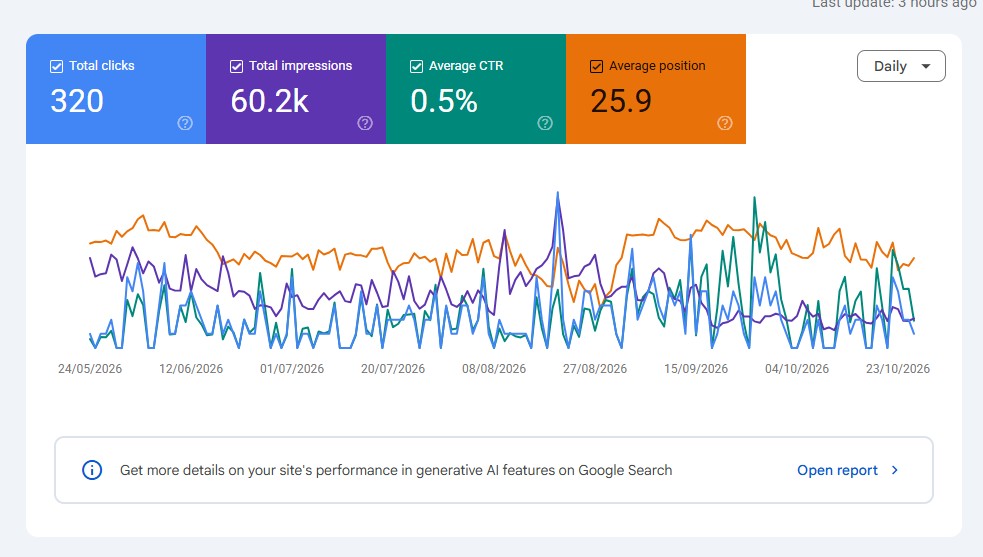
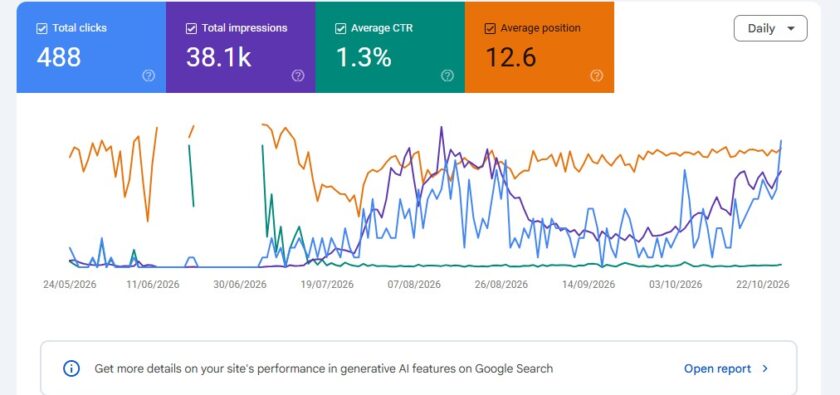
Google Search Console would measure organic clicks, impressions, CTR and average position. Google Analytics 4 would help evaluate organic landing-page performance and configured enquiry events.
Local visibility would be assessed through Google Business Profile reporting and location-based rank tracking. Call tracking and form submissions would help distinguish qualified project enquiries from general website interactions.
Want More Landscaping Projects Through SEO?
Improve your local search visibility and reach homeowners actively looking for landscaping services. Get a tailored SEO assessment to identify opportunities for attracting more qualified leads, enquiries and project bookings.
FAQ
1. What was the main SEO goal for the residential landscaping company?
The primary goal was to improve local search visibility, attract homeowners searching for landscaping services, and generate more qualified project enquiries.
2. Which SEO strategies helped improve local visibility?
The strategy focused on local keyword research, service page optimisation, Google Business Profile improvements, location relevance, and content targeting residential landscaping searches.
3. How can SEO help a landscaping company attract more project enquiries?
SEO helps homeowners find relevant services when searching online. Well-optimised service pages and clear calls to action can turn local search traffic into calls and quote requests.
4. Why was local SEO important for this landscaping business?
Most residential landscaping projects depend on serving customers within a specific area. Local SEO helps the company appear in relevant Google Search and Maps results.
5. How can landscaping companies measure SEO performance?
They can track organic clicks, impressions, keyword visibility, Google Business Profile interactions, phone enquiries, quote requests, qualified leads, and booked projects.