Industry: Lawn Care and Maintenance
Location: Tampa, Florida, USA
Campaign Duration: 8 Months
Primary Services: Lawn Mowing, Fertilisation, Weed Control and Sod Installation
Project Overview
Lawn care companies need consistent customer acquisition to maintain predictable revenue. Unlike one-time landscaping projects, regular mowing and maintenance services can create recurring business opportunities.
This project focuses on a Tampa lawn care company looking to improve organic visibility, attract residential customers and generate more enquiries for ongoing maintenance services.
The strategy prioritises local search optimisation, dedicated service pages and location-specific content to reach homeowners actively searching for professional lawn care.
The Challenge
The company’s existing website provides general lawn care information but does not adequately target individual services. This limits its opportunities to rank for searches related to mowing, fertilisation and weed control.
Its local visibility also needs improvement. Established competitors have stronger service pages, customer reviews and clearer information about their maintenance offerings.
Additionally, the website lacks useful local content addressing Tampa’s lawn care requirements. The business needs a strategy that attracts customers beyond individual service requests and supports recurring maintenance enquiries.
SEO Strategy and Implementation
1. Commercial Keyword Research
Competitor research begins by identifying which lawn care services generate relevant search demand and how established businesses target those opportunities.
Keyword mapping prioritises searches such as lawn care Tampa FL, lawn mowing service Tampa, lawn fertilisation Tampa and weed control Tampa FL.
Each keyword group receives an appropriate landing page, allowing the website to address different customer requirements without creating unnecessary keyword overlap.
2. Service Page Development
The website is reorganised around important services, including lawn mowing, ongoing maintenance, fertilisation, weed control and sod installation.
Each page explains the service, its benefits, available options and the process for requesting an estimate. The maintenance page receives particular attention because it supports the company’s recurring customer acquisition goals.
3. Local SEO Optimisation
Google Business Profile improvements focus on accurate business details, relevant categories, service information and genuine customer photographs.
The campaign also reviews local citations, website contact information and service-area relevance. Customer reviews are encouraged through a consistent process following completed jobs.
Competitor analysis helps identify opportunities to strengthen the company’s local presence and communicate its services more clearly.
4. Tampa-Focused Content Strategy
Content planning reflects Tampa’s climate and local lawn care requirements rather than relying on generic seasonal topics.
Potential articles include lawn mowing frequency in Tampa, fertilisation requirements for Florida lawns, weed prevention and maintaining healthy grass during the rainy season.
These resources answer homeowner questions while directing relevant readers towards professional lawn care services through contextual internal links.
5. Authority Building and Conversion Optimisation
Local authority building focuses on relevant business associations, lawn care suppliers, property management networks and home improvement publications.
The website’s conversion journey is also improved through clear service descriptions, mobile-friendly enquiry forms and visible contact options. Visitors should easily understand available maintenance services before requesting estimates.
Eight-Month Implementation Roadmap
Month 1: Complete technical audits, competitor analysis, keyword research and website structure planning.
Months 2–3: Optimise service pages, improve internal linking and strengthen Google Business Profile information.
Months 4–5: Publish Tampa-focused content, improve service-area relevance and develop local authority.
Months 6–7: Evaluate keyword performance, improve underperforming pages and optimise conversion opportunities.
Month 8: Review organic enquiries, recurring maintenance requests and opportunities for further growth.
Results and Business Impact
The campaign would measure qualified lawn care leads, phone enquiries, maintenance quote requests and new customers generated through organic search.
Call tracking, website forms and Google Business Profile interactions would help identify where potential customers discover the company and which services generate the most enquiries.
A key performance indicator would be recurring maintenance requests. These enquiries represent opportunities to acquire customers who may continue using the company’s services rather than purchasing only one-time jobs.
The final assessment would compare verified campaign data against the initial baseline, including qualified leads, submitted quotes, booked jobs, new clients and recurring maintenance contracts.
Measuring SEO Performance
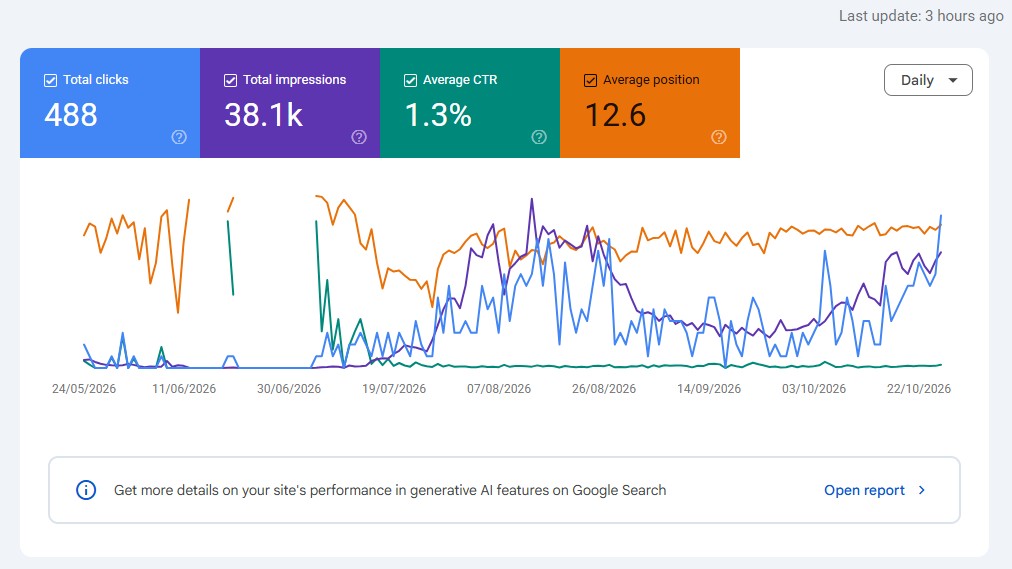
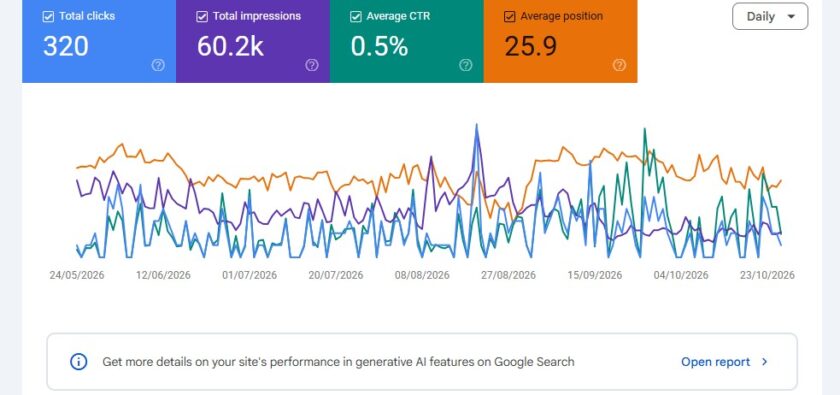
Google Search Console would track organic clicks, impressions, CTR and average position. Google Analytics 4 would measure organic landing-page performance and configured enquiry events.
Local visibility would be monitored through Google Business Profile reporting and local rank tracking. Call tracking and form submissions would distinguish one-time service enquiries from recurring maintenance opportunities.
Want More Lawn Care Customers Through SEO?
Reach homeowners searching for professional lawn care and maintenance in your service area. Get a tailored SEO assessment to identify opportunities for generating more qualified leads, quote requests and recurring customers.
FAQ About Lawn Care Local SEO Case Study
What was the main SEO objective for the Tampa lawn care company?
The objective was to build consistent local search visibility, attract homeowners looking for lawn care services, and generate enquiries throughout the year.
Why does a lawn care company need a year-round SEO strategy?
Lawn care needs can change throughout the year. A year-round strategy targets seasonal services, ongoing maintenance, and location-based searches to support consistent lead generation.
Which SEO strategies can generate more lawn care leads in Tampa?
Local keyword targeting, service-specific landing pages, Google Business Profile optimisation, helpful lawn care content, and conversion improvements can attract relevant local enquiries.
How can seasonal content improve lawn care SEO?
Seasonal content addresses changing lawn care needs, such as fertilisation, weed control, mowing, and sod installation. It helps businesses target relevant searches throughout the year.
Which metrics should a lawn care company track after SEO improvements?
Important metrics include organic clicks, impressions, local keyword rankings, phone calls, quote requests, qualified leads, new customers, and recurring maintenance contracts.